


HPH Partners Blog: When I travel to venues I like to go BIG and send a video by text to my friends. But I can’t. Why not?
 As I sit to write a second blog, I learn Mobilitie is to be acquired by BAI (click here). This follows an announcement a few months ago Boingo would be acquired by Digital Colony (click here). “Unprecedented” demand for Internet exposed a critical short supply of the wireless and fiber optic infrastructure required to provide American homes with reliable, high capacity, affordable broadband Internet.
Federal funding for broadband infrastructure to reach every American household is about to be signed into law (click here). Use cases for Private LTE, CBRS and new 5G wireless networks are numerous and trending up as private and public property owners finally begin to accept responsibility for providing infrastructure to their own property or venue.
Before continuing let me also share a slide I read about a year ago in a presentation by Boingo executives to their board and investors. Boingo was making the point about the addressable market for DAS (that now applies to Private LTE and 5G DAS).
In one slide, Boingo executives estimated there to be 25,300 "DAS worthy" venues in North America and that only 8% or 1,900 even had a DAS at that time. Among the venues counted were 1,800 of the largest Universities and only about 200 of them (11%) had a DAS.
BIG QUESTION FOR MY LOYAL READERS. Could private LTE, CBRS and 5G networks at venues, universities, hospitals, private and public buildings of all types also be shared and used to serve a substantial number of homes and persons living nearby. I’d estimate there are millions of homes in range of many of 25,300 DAS worthy venues.
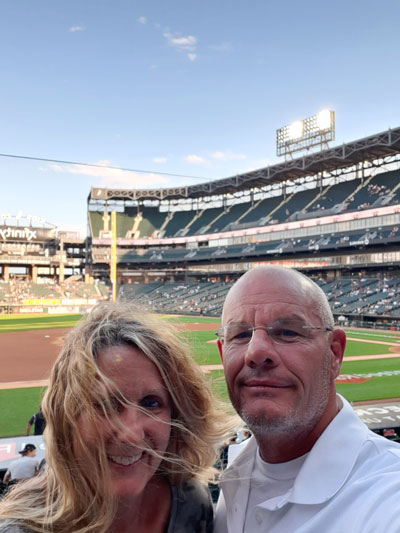
To put this in perspective the seating capacity of the stadium I was visiting last week in Chicago 60616 is approximately the same as the number of persons permanent residing within 1 mile of the stadium (click here). Private LTE, CBRS and 5G networks are designed and intended to be shared and utilized by many different users and service providers including providing affordable, reliable, high-speed Internet for learning and working from home. They deliver much greater capacity and security, making them much more flexible to use for different purposes than the older DAS and WIFI networks currently in use in places like O’Hare and Midway airports (click here).
A disruptive force in the wireless industry, JMA is restoring U.S. leadership in wireless technology at a critical time in the transition to 5G. JMA makes the world’s most advanced software-based 5G platform, which it designs, codes, and manufactures in the United States (click here).
JMA makes a strong case in one of their white papers (click here) for analyzing the data in determining the best fit for in-building and outdoor wireless solutions which I paraphrase below:
- DO NOT CONFUSE GOOD COVERAGE (all bars visible on the phone), or signal, WITH GOOD CAPACITY (data throughput). Ninety percent of mobile device usage is driven by data exchange.
- LEARN FROM PREVIOUS SUCCESSES and construct your plans using this data.
- FACILITIES and VENUES are RESPONSIBLE FOR ENSURING WIRELESS COVERAGE AND CAPACITY of their users and occupiers.
- THE STARTING POINT SHOULD BE WHERE THE MONEY IS ultimately generated and real benefits are achieved for the business - the end users.
IF private LTE, CBRS and 5G networks could be shared with nearby homes and an efficient way to enable fast, reliable, secure and pervasive wireless connectivity to American communities, school kids and workers; shouldn’t they be?